

FIRE OVER IRAN: The War That’s Shaking the World
Missiles roar across the night sky. Oil prices go through the roof. A brand-new war is raging in the Middle East and it affects every single person on the planet. Here’s what’s happening, why it started, and what it means for YOU.
What On Earth Is Going On? 🔥
Imagine waking up to the sound of sirens. Lights flash across the sky. Buildings shake. That’s the reality for millions of people in the Middle East right now, in a war that kicked off just 23 days ago, but has roots stretching back nearly 50 years.
On 28 February 2026, the United States and Israel launched massive surprise airstrikes on Iran, a country about the size of Alaska, home to 88 million people. The very first strikes killed Iran’s Supreme Leader, Ayatollah Ali Khamenei, the man who had ruled Iran with an iron fist for over 30 years.
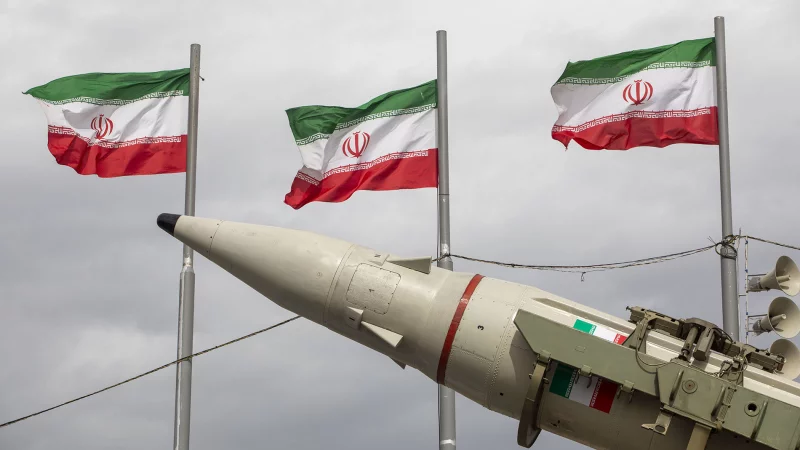
Iran fought back hard, firing hundreds of missiles and thousands of drones at Israel, at American military bases, and at countries across the region. The whole Middle East has been lit up like a fireworks display, except this is no fireworks show. Real people are being hurt.
“This is the ultimate endless war, it has been going on for 47 years.”
— US Ambassador Mike Waltz, speaking on CNNSo why is this happening? Why do these countries have such a deep rivalry? And why should kids in Canada, care about a war happening thousands of miles away? Buckle up because the story behind this war is wild, dramatic, and absolutely essential to understand.
📍 Iran: Fast Facts
- Large Middle Eastern country bordered by Iraq, Turkey, Pakistan & the Persian Gulf
- Population: 88 million — bigger than the UK and Canada combined
- Capital: Tehran — home to 9 million people
- One of the world’s top oil and gas producers
- Official language: Farsi (Persian) — one of the world’s oldest languages
- A Shia Muslim country governed by religious leaders called clerics
- Under heavy international sanctions (trade bans) for decades
- Arch-enemies include the USA, Israel, and Saudi Arabia
🗺️ Key Places in the Conflict
📖 Rewind: How Did We Get Here?
If you opened a world map today and looked at the Middle East, you might see countries like Iran, Iraq, and Syria sitting side by side. But what if I told you that the story behind these borders is like a puzzle that was put together long ago and not always very carefully?
More than 100 years ago, after a major global conflict called World War I, powerful nations such as the United Kingdom and France helped redraw the map of the Middle East. They created new countries, sometimes drawing straight lines across deserts and mountains. The problem? These lines didn’t always match where different communities actually lived. Over time, this led to disagreements. Different groups, with their own languages and traditions, suddenly found themselves living together within the same borders. While many people lived peacefully, tensions slowly began to grow. Yet another reason the region became so important is something many of us use every day, oil. The Middle East holds some of the world’s largest oil reserves, making it a key area for energy. Countries far away, including the United States, became deeply interested in what happened there. This added another layer to an already complicated situation.
To understand this war, we need to go back, way back, to 1979. That’s when everything changed for Iran and the rest of the world.
⚔️ What’s Happening Right Now?
As of this Sunday morning, the war is in its fourth week. Here’s what’s been going on:
🇺🇸 America’s mixed messages: President Trump said the US is thinking about “winding down” the war — but simultaneously sent 2,500 more Marines to the region. Is it ending? Is it escalating? Even the experts are confused.
⚡ The Strait of Hormuz Standoff: Iran has been threatening ships passing through the Strait of Hormuz , a tiny waterway through which about 20% of the world’s oil passes. Trump threatened to “hit and obliterate” Iran’s power plants if the strait isn’t reopened. Iran said it would attack all energy infrastructure in the region if that happens.
🛢 Oil Crisis: Oil has rocketed to $112 a barrel , the highest since the war began. The International Energy Agency is asking people to work from home and drive slower. Petrol prices are surging around the world.
💡 Did You Know?
The Strait of Hormuz is only about 33 kilometres wide at its narrowest point , barely wider than the English Channel , yet one-fifth of all the world’s oil passes through it. If it gets blocked, fuel prices everywhere could go absolutely through the roof!
“Even after heavy damage, Iran’s nuclear knowledge and enriched uranium will still exist at the end of this conflict. The material doesn’t just disappear.”
, Rafael Grossi, Head of the IAEA, speaking to NPR🎯 What Does “Nuclear Programme” Mean?
- Uranium is a metal that can be used for electricity OR for making nuclear weapons
- “Enriching” uranium means processing it. A little = power. A lot = bomb material
- Iran says it only wants nuclear power. The US and Israel say they’re secretly building a bomb
- A nuclear bomb could destroy an entire city in seconds , that’s why the world is so nervous
🤡 Who’s Who in This Conflict?
🇺🇸 Team USA + Israel
President Trump says the goal is to stop Iran from getting a nuclear weapon and to weaken the Iranian government. The US has struck over 8,000 targets. Israel, which Iran has threatened to destroy, sees Iran as its greatest threat.
🇮🇷 Iran’s Side
Iran says the US and Israel broke international law by attacking without provocation. Iran’s missiles have reached as far as the Indian Ocean , surprising the whole world with their range.
😨 The World’s Reaction
The UK, France, and Germany condemned Iran’s counter-strikes but also opposed the original attack. China is worried about losing its most important Middle Eastern ally. Saudi Arabia is trying to stay out of it.
🌍 Why Does This Affect YOU — Even Far Away?
⛽
Your Family’s Fuel Bills
About 20% of the world’s oil flows through the Strait of Hormuz. When oil is short, everything gets more expensive: your family’s car, home heating, buses, planes, and even food , because lorries use fuel too.
☢️
Nuclear Weapons Risk
The whole world fears the idea of Iran developing nuclear weapons. A nuclear conflict in the world’s most volatile region could trigger consequences nobody can predict. The IAEA says Iran’s nuclear materials still exist.
📦
Global Trade Disrupted
Ships carry everything you own , clothes, electronics, food. With Houthi fighters and now Iran threatening more ships, global trade is slowing. Some products you buy could soon cost more , or run out entirely.
📚 Words to Know
🔭 What Happens Next?
- 💒 Will there be a ceasefire? Trump hinted at “winding down” — but sent more troops. Iran says it won’t stop until the attacks stop. Negotiations via Oman are reportedly happening behind the scenes.
- ⚡ Will Iran’s power plants be struck? Trump’s 48-hour deadline for Iran to reopen the Strait of Hormuz expires Monday. If Iran doesn’t comply, millions of civilians could be plunged into darkness.
- ☢️ Does Iran still have nuclear material? The IAEA says yes — Iran’s enriched uranium stockpile still exists even after the strikes. This is the big unanswered question that could define the coming years.
- 🌊 Will this spill over further? With Houthi fighters in Yemen, Hezbollah in Lebanon, and Iranian missiles reaching the Indian Ocean, the risk of the war pulling in more countries remains very real.
- 🛢 How bad will the fuel crisis get? Goldman Sachs warns that high oil prices could last through 2027. The IEA calls this “the largest supply disruption in the history of the global oil market.”
🧠 Think About It
Is attacking another country to stop them getting nuclear weapons ever justified? What if it prevents something much worse? Or does it always make things worse?
Why do ordinary Iranian people suffer from sanctions and wars when it’s the government making the decisions? Is that fair? How can the world hold governments accountable without hurting citizens?
When powerful countries fight, the whole world pays higher prices. Is it right that countries far away like Canada or Australia are affected by wars they have nothing to do with?