




Have you ever wondered how to know if a food is really good for you? The answer is right on the back of the package! Every label has tiny clues that tell you what you’re eating and how it helps your body. Once you learn to read them, making healthy choices becomes a lot easier — and even kind of fun!
🧃 Step 1: Understanding the Nutrition Facts Label
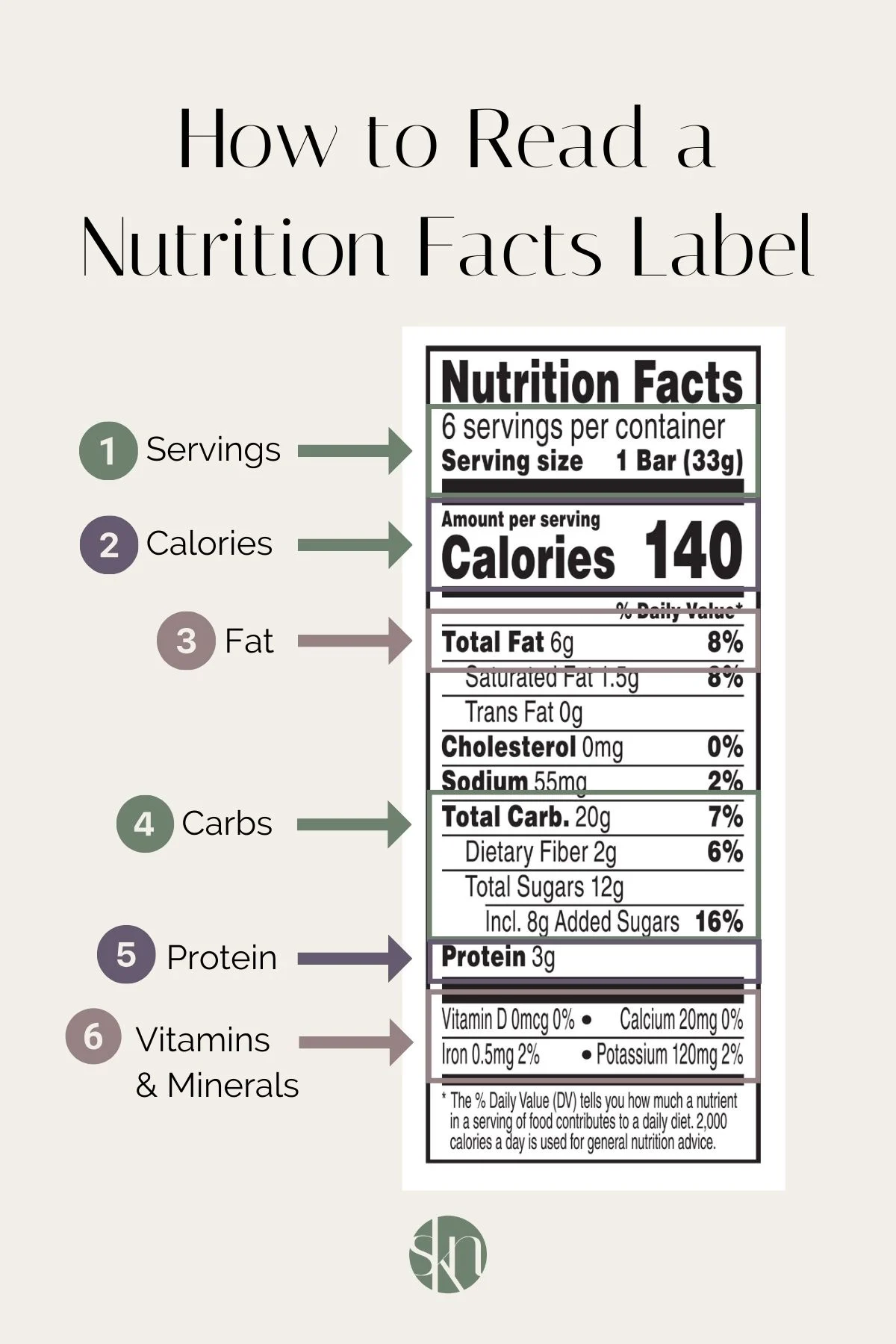
Most packaged foods have a Nutrition Facts label. It may look small, but it’s full of useful information.
Here’s what it shows:
- Serving size: This tells you how much one portion is. If a label says “1 cup = 150 calories” but you eat 2 cups, you’re getting 300 calories.
- Calories: This shows how much energy the food gives your body. We all need calories to play, think, and grow — just not too many.
- Nutrients: This part shows what’s inside — things like fat, sugar, sodium (salt), protein, fiber, and vitamins.
Think of it like your food’s nutrition scorecard — it helps you see the good stuff and the not-so-good stuff at a glance.
🍭 Step 2: Keep an Eye on Sugar
Sugar makes food taste sweet, but too much can make you tired and hurt your teeth. Even foods that look healthy, like granola bars or flavored yogurt, can have a lot of added sugar.
Look for words like:
- Corn syrup
- Honey
- Brown sugar
- Sucrose, fructose, or glucose
These are all forms of sugar. If sugar is one of the first few ingredients, that means there’s quite a bit of it. Try to choose foods with less than 10 grams of added sugar per serving when you can.
🧂 Step 3: Go Easy on Salt
Salt, or sodium, is important in small amounts but too much can make you thirsty or raise your blood pressure over time.
A simple tip:
If a food has more than 200mg of sodium per serving, it’s on the salty side. Foods like chips, instant noodles, and frozen meals often have a lot, so enjoy them once in a while instead of every day.
🥑 Step 4: Learn About Fats
Your body actually needs some fat — it helps your brain and keeps you energized. The trick is choosing the right kinds.
- Healthy fats (unsaturated fats) are found in nuts, avocados, and olive oil.
- Unhealthy fats (trans fats and too much saturated fat) are found in fried or processed foods, like chips and pastries.
- Look for foods that say:
- 0g trans fat — excellent!
- Low in saturated fat — another great sign.
Try to skip foods that list “hydrogenated” or “partially hydrogenated oils.” Those are unhealthy fats your body doesn’t need.
🌾 Step 5: Choose Fiber and Whole Grains
Fiber helps your stomach feel full and keeps your digestion healthy. Try to find foods that say “high fiber” or “whole grain.”
If the first ingredient on your bread or cereal says “whole wheat” or “whole grain,” that’s a strong choice. It means you’re getting more nutrients and longer-lasting energy.
🥕 Step 6: Read the Ingredients List
The ingredients list tells you exactly what’s in your food — from the most to the least.
- If the first few ingredients are whole grains, fruits, vegetables, or milk, that’s a good sign.
- If you see sugar, salt, or oil near the top, it’s probably less healthy.
And here’s a quick tip: if the list is super long or filled with words you can’t pronounce, it’s likely very processed.
🧡 Step 7: Keep Your Meals Balanced
Healthy eating doesn’t mean you can’t have treats — it just means balancing what you eat. A good plate usually looks like this:
- Half fruits and vegetables 🍎🥦
- One quarter grains (like rice, bread, or pasta) 🍞
- One quarter protein (like eggs, beans, or chicken) 🍳
And don’t forget, water is your best drink choice most of the time. 💧
🧠 Try This: Label Check Challenge
Next time you’re at the store or unpacking groceries, take a quick look at a food label.
- Find the serving size.
- Check the sugar and sodium.
- Read the first three ingredients.
You’ll be surprised how much you can learn just by taking a few seconds to look!
🌟 Quick Recap
✅ Read the label before eating.
✅ Limit added sugar and salt.
✅ Choose foods with fiber and whole grains.
✅ Avoid trans fats and long ingredient lists.
✅ Keep your meals balanced.
Remember: Eating healthy doesn’t mean giving up your favorite foods — it means choosing wisely so your body has the strength, energy, and focus it needs every day. 🌈
💡 Did You Know?
📦 Labels Tell a Story:
The ingredients are listed in order — from the biggest amount to the smallest. The first three ingredients usually tell you what the food is mostly made of.🍬 So Many Names for Sugar:
Sugar hides under 60+ names — like honey, corn syrup, maltose, and brown rice syrup. If you see a few of these, there’s probably a lot of sugar inside!🧂 What’s “Low Sodium”?
If a food has 140mg or less of sodium per serving, it’s considered low sodium. That’s a good number to look for.🥑 Fat Facts:
Your body needs some fat for energy and growth — but look for foods with unsaturated fats (like nuts and avocado) instead of fried or processed ones.🌾 Whole Grains = More Power:
“Whole grain” means all parts of the grain are still there — giving you more fiber, vitamins, and steady energy.💧 Water Wins Every Time:
Your body is made of about 60% water! Drinking water instead of sugary drinks keeps you focused, cool, and energized