




In the busy heart of New York City, there’s a skyscraper that looks like it’s doing something different from all the others. It’s called 601 Lexington Avenue, and it leans back a little, almost as if it’s stepping away from the crowd. It was one of the tallest buildings in the world when it opened in 1977—59 stories of glass and steel reaching proudly toward the clouds.
But this skyscraper had a secret.
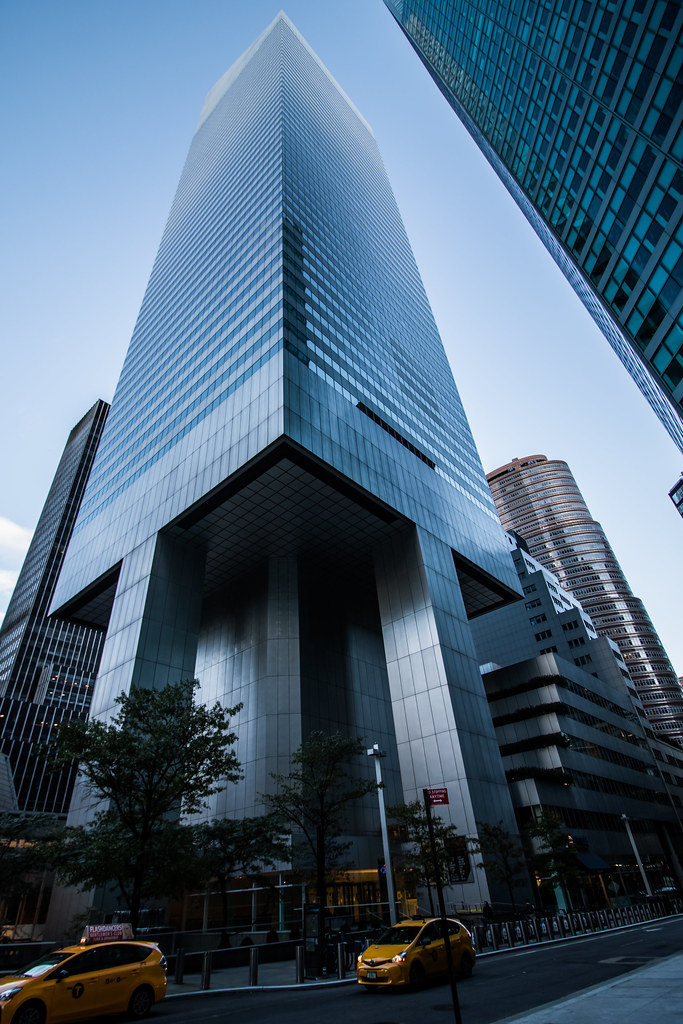
💡 A Strange Design
In the 1970s, a big banking company called Citicorp wanted a new headquarters in Manhattan. They wanted something tall, modern, and different. There was one big challenge: a small church, St. Peter’s Lutheran Church, was on one corner of the site. The church didn’t want to move, and instead of forcing it to leave, the builders worked around it.
Architect Hugh Stubbins and engineer William LeMessurier came up with a bold idea: a skyscraper lifted off the ground, standing on stilts with open corners — something that had never been done before.
That design made the tower look like it was balancing on stilts. Everyone said it was genius—an architectural marvel!
But… there was a catch.
⚠ The Wind Problem
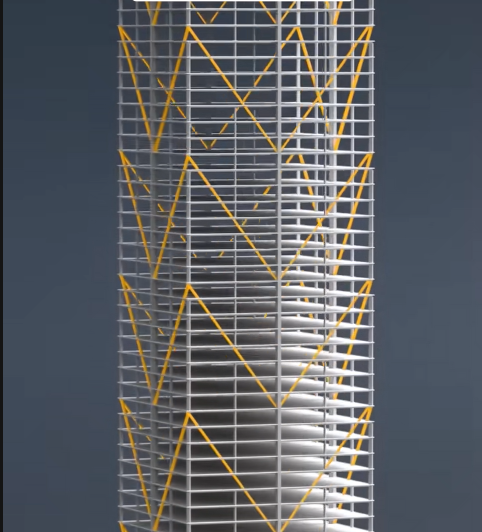
Tall buildings need support to stay safe in strong winds. Inside 601 Lexington, special steel pieces called diagonal braces helped hold everything steady. Originally, the design called for the braces to be welded, which means melted together for strength.
“But during construction, the workers used bolted joints instead, which are faster and cheaper. LeMessurier was not aware of this change at the time — he had originally designed the braces to be welded.”
But he was about to find out otherwise.
📞 The Mysterious College Caller
One summer in 1978, almost a year after the building opened, something strange happened.
A student from a college in New Jersey called LeMessurier’s office. The student was working on a school project and had a question: “Was the building safe in strong winds coming from diagonal directions?”
No one knows exactly who this student was — not even LeMessurier remembered the name. But the question got him thinking. He checked the math again, this time including the diagonal winds and the fact that the building used bolted, not welded, joints. What he discovered was terrifying.
The skyscraper wasn’t just swaying—it could collapse if the wind blew hard enough from the wrong direction. And hurricane season was just around the corner

🛠 Secret Night Repairs
LeMessurier took this discovery seriously. Instead of hiding the problem, he told Citicorp and the city. Together, they made a plan to fix the building without scaring the public.
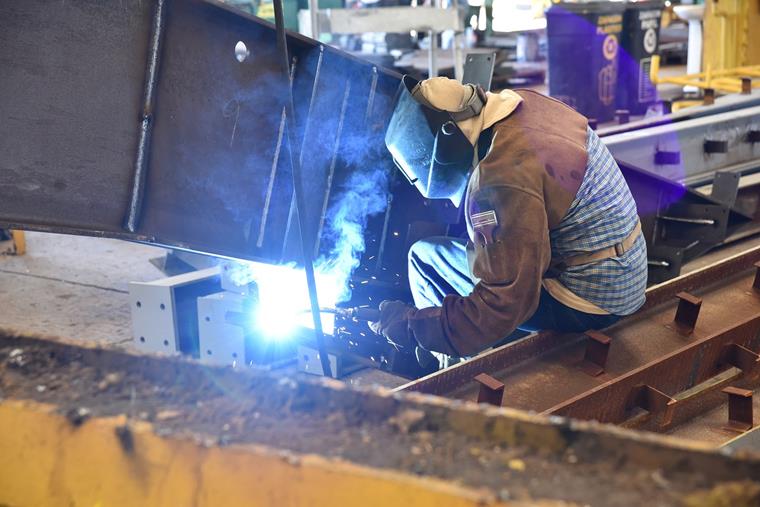
Each night, workers quietly entered the building and added steel reinforcements to strengthen the braces. New York police and emergency workers stood by just in case a big storm hit during the repairs.
And then… the winds came.
And the skyscraper stood strong.
🧠 The Science Behind the Save
Why did it wobble in the first place? Because tall buildings act a bit like giant tuning forks—they can vibrate or sway when wind energy moves through them. Usually, engineers design them so the motion is gentle and safe. But 601 Lexington’s unusual column placement changed how the wind forces traveled through the frame.
By redoing the math and strengthening the joints, the team made sure the tower could handle the gusts—no matter which way the wind blew.
🌆 601 Lexington Avenue Today
Today, 601 Lexington Avenue is still standing tall and strong. It has 59 floors, shiny silver windows, and a big open plaza where people relax. The church is still there, too — peacefully sitting at the corner, just like before.
Even though it was once called the Citicorp Center, it’s now known by its address: 601 Lexington Avenue.
📚 Fun Facts
- Height: The tower is 915 feet tall — taller than two Statues of Liberty!
- Design: Its slanted roof once held solar panels and hides building machines.
- Famous: It has been seen in movies and admired by architects around the world.
601 Lexington Avenue is more than just a tall building. It’s a story based on courage to innovate, faith in physics and the integrity to admit and correct your errors.
So the next time you see a tall building swaying gently in the wind, remember:
Sometimes, even the strongest towers need a little help… and maybe, just maybe, a mysterious phone call. 📞💨