



Imagine a world without social media. No funny videos, no messaging with friends, no sharing artwork, sports achievements, or hobbies online. For many people, social media is a normal part of everyday life.
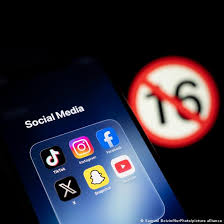
But around the world, governments are asking an important question: Should children have limits on how they use social media?
Countries including France, Indonesia, Malaysia, the United Kingdom, Canada, Greece, Norway, Germany, and Poland are either discussing or have already followed Australia’s footsteps and are adding new rules that would change how young people access social media, and some other countries are considering age limits, while others are looking for ways to make online a safer space for kids.
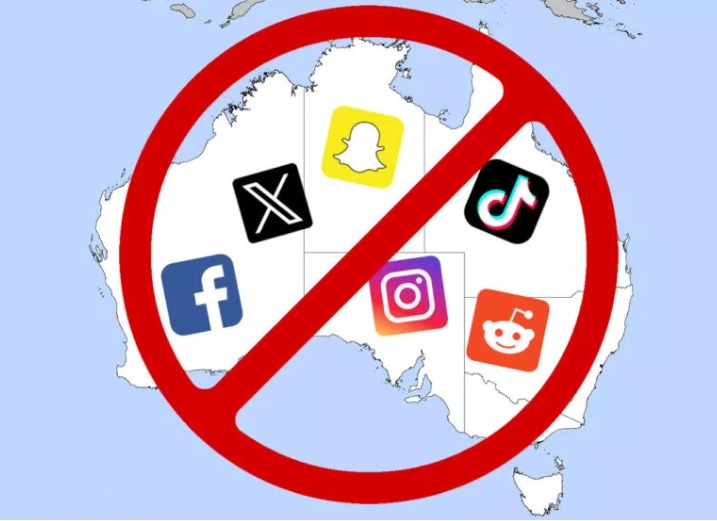
Why Are Countries Thinking About Social Media Rules?
Social Media can have many benefits. For example, it can help children:
- Stay connected with friends and family
- Learn new skills through educational videos
- Discover new hobbies and interests
- Share their achievements/creativity such as art, music, writing, etc.
However, experts and parents have also raised concerns about some parts of social media. They are worried that spending to much time online may affect sleep, concentration, and mental well-being. Some young people experience online bullying, pressure to look or act a certain way, or exposure to content that is inappropriate for their age.
Which is why governments are looking for ways to protect children from these risks.

France: Looking At Stronger Age Rules
France is one of the countries discussing stricter social media rules for children. French leaders have explored ways to prevent very young people from creating social media accounts without parent approval.
The idea behind these rules is that younger children may need more protection because they are still learning how to handle online risks.
United Kingdom: A Focus On Online Safety
The United Kingdom has introduces stronger online safety rules through its Online Safety Act.
Instead of completely banning social media for children, the focus is on making platforms take more responsibility. Companies may need to create safer setting for young users and reduce harmful content.
Canada: Discussing How To Protect Young Users
Canadian lawmakers and experts are also discussing ways to improve online safety, including protecting children’s privacy and making digital platforms safer.
Many Canadians believe children should learn how to use technology responsibly while also having protection from online dangers.
Indonesia and Malaysia: Considering Limits For Younger Users
Countries in Southeast Asia, including Indonesia and Malaysia, have also discussed stronger rules for children using social media.
Officials have raised concerns about children being exposed to harmful content and spending too much time online.
Possible ideas include stronger age checks and encouraging parents to be more involved in children’s online activities.
Europe’s wider discussion
Other European countries, including Greece, Norway, Germany, and Poland, have also joined conversations about protecting children online.
Some governments are exploring ways to:
- Improve digital education in schools
- Give parents more control
- Encourage technology companies to create safer platforms
- Set clearer age requirements
However, each country is approaching the issue differently.
Why do some people disagree with social media bans?
Not everyone supports strict bans.
Some people argue that social media is an important tool for communication, learning, and creativity. They believe young people should be taught how to use technology safely instead of being completely restricted.
Others worry that strict rules could be difficult to enforce. For example, how can governments accurately check someone’s age online while also protecting their privacy?
Technology experts also say that children need digital skills because the internet will be part of their future lives.
A changing digital world
The debate about social media is not only about apps and websites. It is about a bigger question:
How do we create a digital world where children can enjoy the benefits of technology while staying safe?
As more countries discuss new rules, families, schools, governments, and technology companies will all have a role to play.
For young people, the message is simple: social media can be a fun and useful tool, but learning how to use it safely and responsibly is an important skill for the future.