



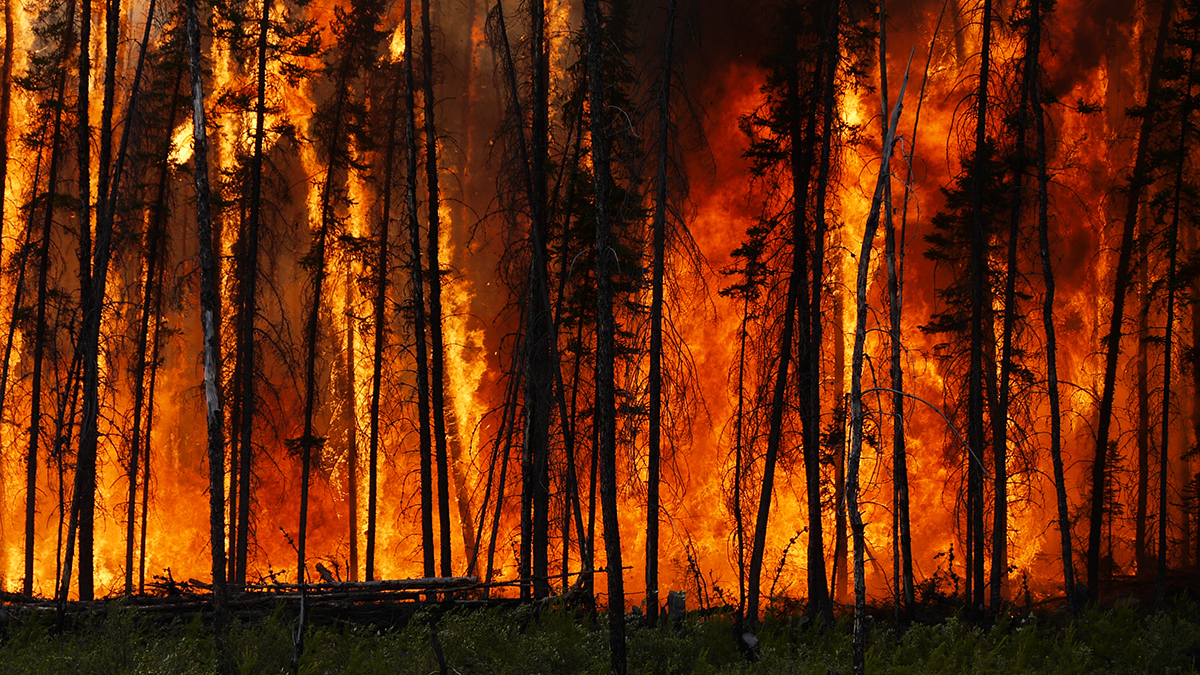
British Columbia is in the middle of a very serious wildfire season. As of August 12, more that 100 wildfires are burning across the province. These fires are affecting communities, forests. farms, and wildlife, while firefighters and emergency crews are working around the clock to protect people and property.
For many people, the wildfire danger can feel frightening. But understanding what is happening and knowing what to do can help keep you and your family safe.
Where are the most serious fires?
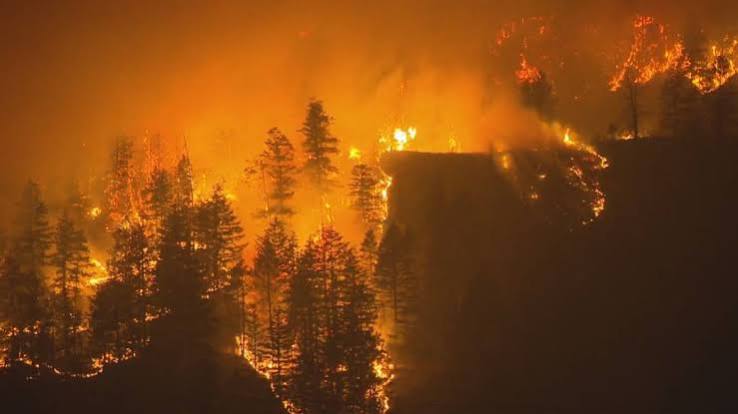
Wildfires are burning in different parts of British Columbia, but some of the most serious problems right now are in the Southern Interior, including the Okanagan.
Bald Range Wildfire – Near Summerland:
One of the biggest and fastest-moving fires is the Bald Range Wildfire, near Summerland in the Okanagan. The fire had grew extremely quickly after it was discovered and expanded to more that 18,000 hectares, and it is still active!
More than 20,000 people have been forced to leave their homes, making it the largest evacuation of the B.C. wildfire season so far. The fire has destroyed many homes and property, and a few people have lost their lives.
The fire also caused serious problems for farmers, ranchers, and wineries. Some farmers have had to leave their crops behind, and ranchers have been working to move animals away from the fire.
Bradley Creek Wildfire – Near Vernon
Another devastating fire this summer was the Bradley Creek Wildfire, northwest of Vernon. The fire badly affected the Okanagan Indian Band community. Initial estimates showed that about 230 homes were destroyed.
- The fire spread so quickly that some residents had very little time to escape. This is one reason it is so important to pay attention to evacuation alerts and orders.
Why Are Wildfires So Dangerous?
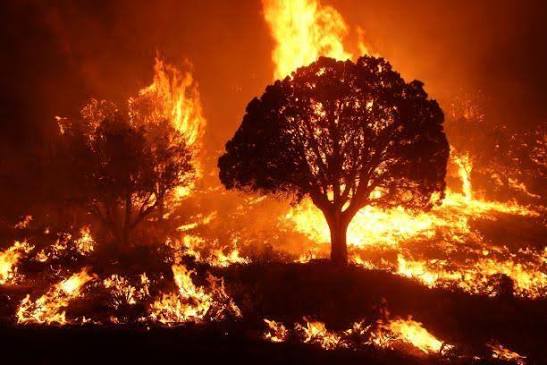
Wildfires can spread very quickly, especially when conditions are hot, dry, and windy.
- Heat and Dry Weather
Hot weather dries out grass, bushes, and trees. When plants become very dry, they can burn much more easily and quickly. - Wind
Strong winds can push flames into new areas and carry burning pieces pieces of wood ahead of the main fire, which can make the wildfire difficult to predict and control. - Lightning
Lightning can start wildfires naturally. During dry thunderstorms, a single lightning strike can start a new fire. - Smoke
The danger isn’t only the flames. Wildfire smoke can travel a log way from the fire and affect communities far away.
Smoke contains tiny particles that can get deep into your lungs. It can cause coughing, irritated eyes, headaches, and breathing problems. If the air quality is unhealthy, follow advice from your family and local health officials. You may need to stay indoors and avoid outdoor activities.
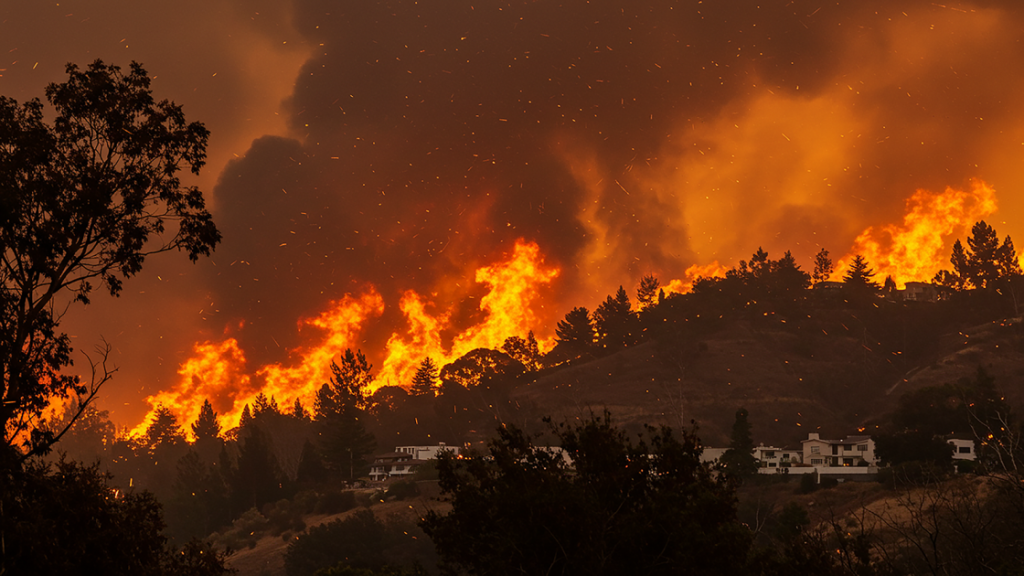
What Should You Do If You See A Wildfire?
These are importing tips that everybody should know and do if they see a wildfire.
- Stay away
Never walk towards a wildfire to get a closer look. Don’t try to take pictures or videos from nearby, and never try to put out the fire yourself. - Tell an adult
Tell your parents, teacher, or another trusted adult what you saw and where you saw it. - Follow evacuation instructions
If you hear an Evacuation Alert, it means you and your family should be prepared to leave in case of an emergency
If you hear an Evacuation Order, you and your family need to leave immediately. You should not stay back to collect your favorite toys, video games, or any other belongings. Your safety always comes first.
Remember:
SEE FIRE → STAY AWAY → TELL AN ADULT → REPORT IT
Wildfires are powerful, but so are the people working together to protect B.C.
And sometimes being a hero doesn’t mean running toward danger.
Sometimes being a hero means knowing when to stay away — and knowing when to speak up.