


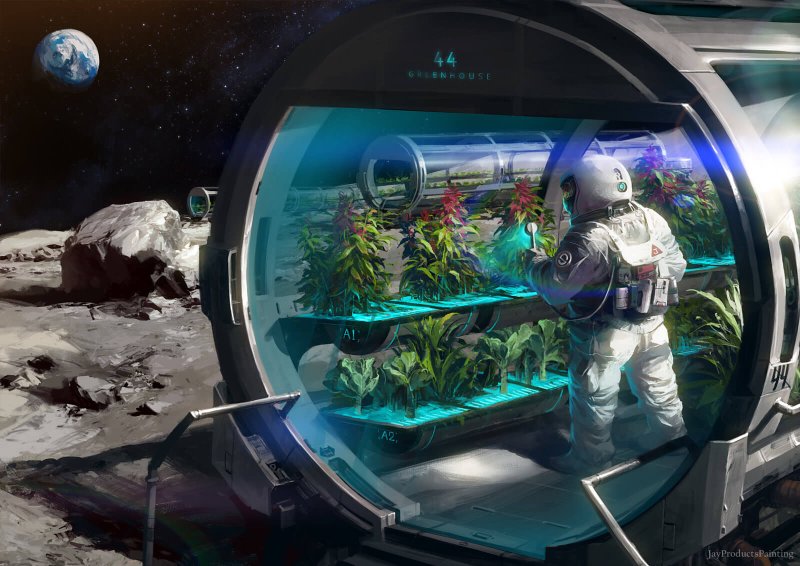
Imagine sitting down for dinner on Mars.
No grocery store nearby. No delivery driver to bring you pizza. And if you run out of vegetables, the next shipment from earth could be months away.
For astronauts who spend months or years away from Earth, getting enough food could be one of the biggest challenges in Space.
So can we grow our own food in Space?
Surprisingly, the astronauts have already grown and eaten plants in space. But growing enough food to feed a crew for a journey to Mars is a much bigger challenge.
A Garden in Orbit
For years, scientists have been studying how plants grow aboard the International Space Station (ISS,) which orbits about 400 kilometers above Earth.
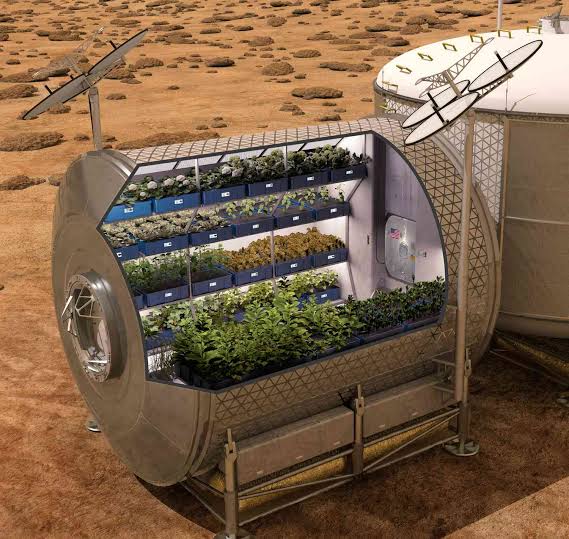
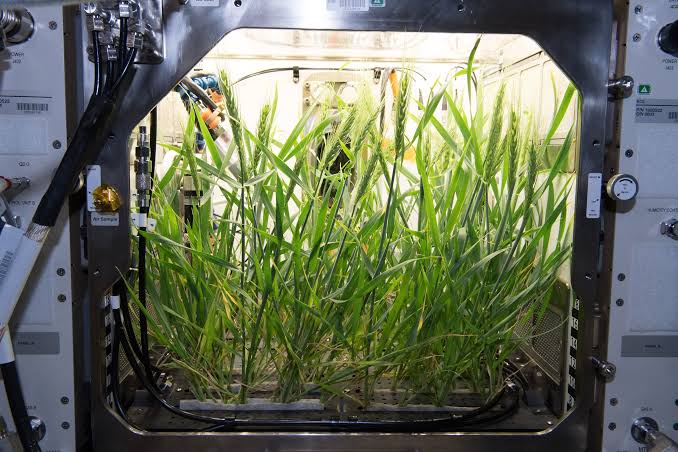
NASA has special growing systems, including one called Veggie, that allow astronauts to grow plants without a traditional garden or field.
Astronauts have successfully grown several types of plants in space, including lettuce, Chinese cabbage, mizuna mustard, kale, radishes and chili peppers. Some of these crops have even been eaten by astronauts after being grown in orbit.
In 2015, astronauts ate lettuce grown aboard the space station. In 2021, astronauts tasted chili peppers that had been grown in NASA’s Advanced Plant Habitat, a larger and more controlled plant-growing chamber.
That might sound like a small achievement.
It isn’t.
It showed that plants can be grown, harvested and safely eaten in space.
But there is a huge difference between growing a few vegetables and producing enough food to feed an entire crew.
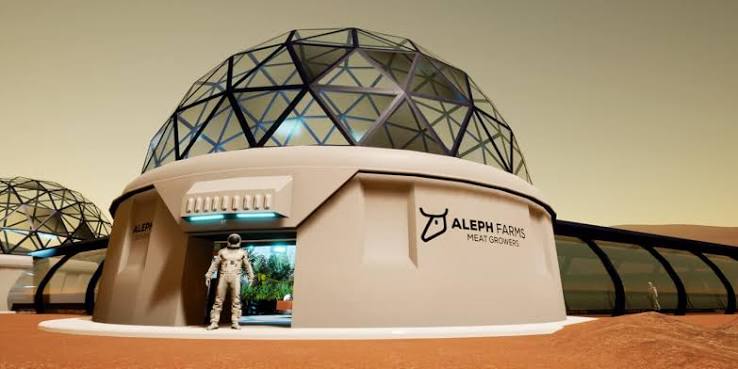
Why Not just Bring Food from Earth?
Astronauts on the International Space Station receive regular shipments from Earth. These deliveries can include fresh fruits and vegetables, which supplement the astronaut’s mostly packaged meals.
A trip to Mars would be very different.
Mars is millions of kilometres from Earth, depending on where the two planets are in their orbits. A crew could not depend on frequent deliveries from home.
Spacecraft also have limited room and carrying capacity. The more food that has to be launched from Earth, the more supplies and storage space the mission needs.
That is why scientists are investigating ways for astronauts to produce at least some of their own food.
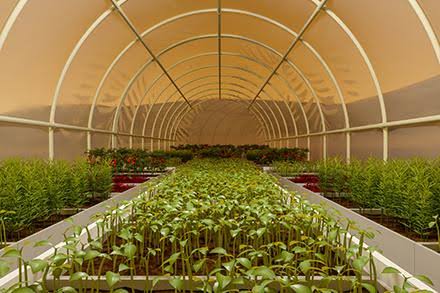
Plants Have a Space Problem
Growing a plant in space is not as simple as putting a seed in soil and watering it.
Plants evolved on Earth, where gravity helps determine how roots and shoots grow. In space, astronauts experience microgravity, which changes the way plants develop and how water moves around them.
Plants also need light, water, nutrients, the right temperature and the right atmosphere.
NASA’s growing systems are designed to provide these conditions. Some experiments have used methods that grow plants without traditional soil, including hydroponic and aeroponic approaches.
Water is especially important.
Too little water can damage a plant, while too much can also cause problems. Scientists have had to study how to deliver the right amount of water to plants in microgravity.
And there is another limitation:
Space is not a place for a giant farm.
An enormous corn plant would take up valuable room, so researchers are interested in smaller crops that can provide useful nutrients without requiring huge amounts of space.
NASA researchers have specifically investigated crops such as leafy greens, dwarf tomatoes and peppers.
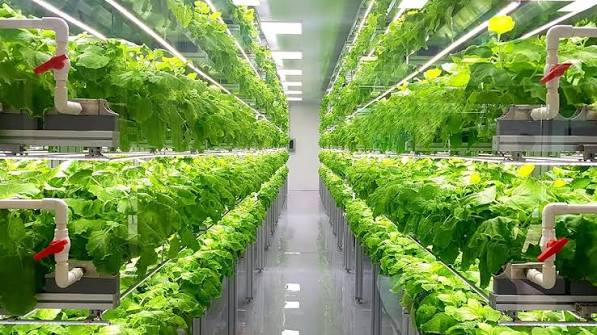
Would Astronauts Live on Vegetables Grown in Space?
Not yet.
The plants astronauts have grown in space are currently considered a supplement to their food supply, not a . . . . complete replacement for food brought from Earth.
Leafy greens can provide fresh food and important nutrients, but a small crop of lettuce cannot provide all the calories, protein and other nutrients an astronaut needs.
That means future missions will probably need a combination of food sources.
Astronauts could bring carefully prepared, shelf-stable food from Earth while also growing selected fresh crops during the mission.
NASA is already thinking about what that entire system could look like.
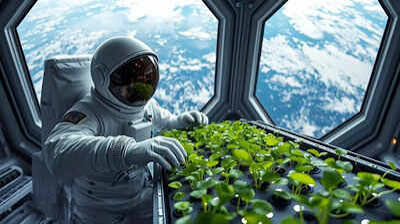
Planning the Menu for Mars
NASA’s Deep Space Food Challenge: Mars to Table is asking participants to think beyond individual crops.
The challenge asks teams to create a complete meal plan for a crew on Mars and develop concepts for food systems that could provide the nutritional needs of astronauts using different food sources and technologies.
The challenge is scheduled to conclude in September 2026 and has a total prize purse of $750,000.
That tells us something important.
Scientists are no longer asking only, “Can we grow a plant in space?”
They are asking a much bigger question:
“How could we feed people who live far away from Earth?”
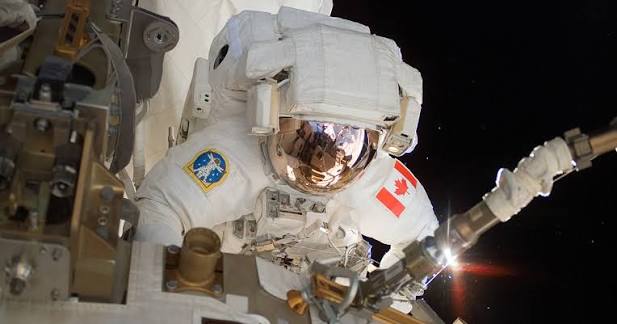
Canada is looking north for answers
Interestingly, some of the technology being investigated for space could also be useful here on Earth.
In July 2026, the Canadian Space Agency announced a contract worth up to $745,000 with The Growcer Inc., which will work with Arctic Fresh Group of Companies, an Inuit-owned enterprise in Nunavut.
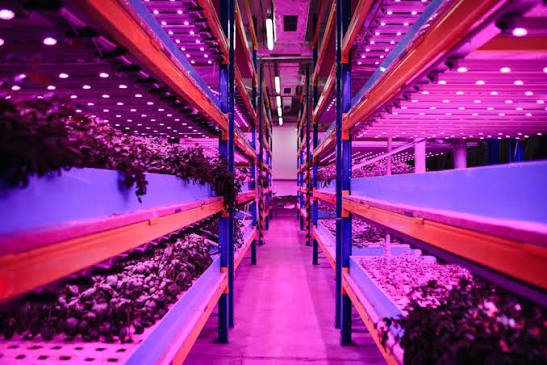
The teams are developing a concept for a Controlled Environment Agriculture unit—an enclosed or semi-enclosed growing system where conditions such as light, temperature and humidity can be carefully controlled to produce fresh fruits and vegetables.
Why work on this in Nunavut?
Because growing food in remote northern communities can involve many of the same challenges that scientists face when thinking about food production in space: harsh environments, limited growing conditions and long distances from major food-production centres.
The Canadian Space Agency says the project is intended to explore ways to improve access to nutritious food in remote northern communities while also advancing food-production technology for future long-duration missions in deep space.
So research inspired by space exploration could potentially help people on Earth, too.
We Are Still Not Ready for a Mars Farm Yet
There is still a lot scientists don’t know.
A successful Mars food system would need to produce food reliably while using limited water, energy and space. Researchers also need to understand how plants behave during long missions and how to keep crops safe for astronauts to eat.
And there is a major difference between growing a few plants for an experiment and growing enough food to support an entire crew.
For now, astronauts still depend mainly on food prepared on Earth.
But every lettuce leaf, pepper and tomato grown in space teaches scientists something new.
So, can we grow food in space?
Yes. We already can.
Can we grow enough food in space to completely feed astronauts on a long mission to Mars?
Not yet.
But scientists are working toward it.
One day, astronauts may travel farther from Earth than ever before. When they do, their food might not all come from a spacecraft packed on Earth.
Some of it could come from a small garden growing under artificial lights, hundreds of millions of kilometres from home.
And the first meal grown on Mars might represent something much bigger than dinner.
It could be a sign that humans have learned how to bring a little piece of Earth with them wherever they go.