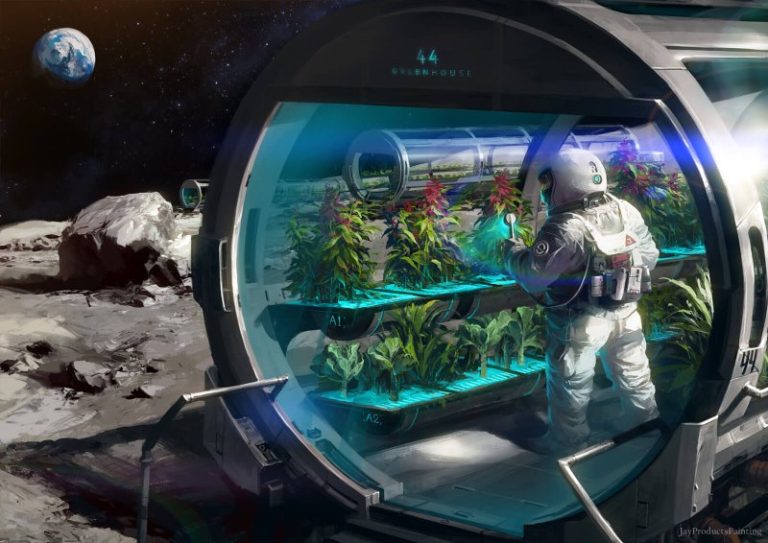




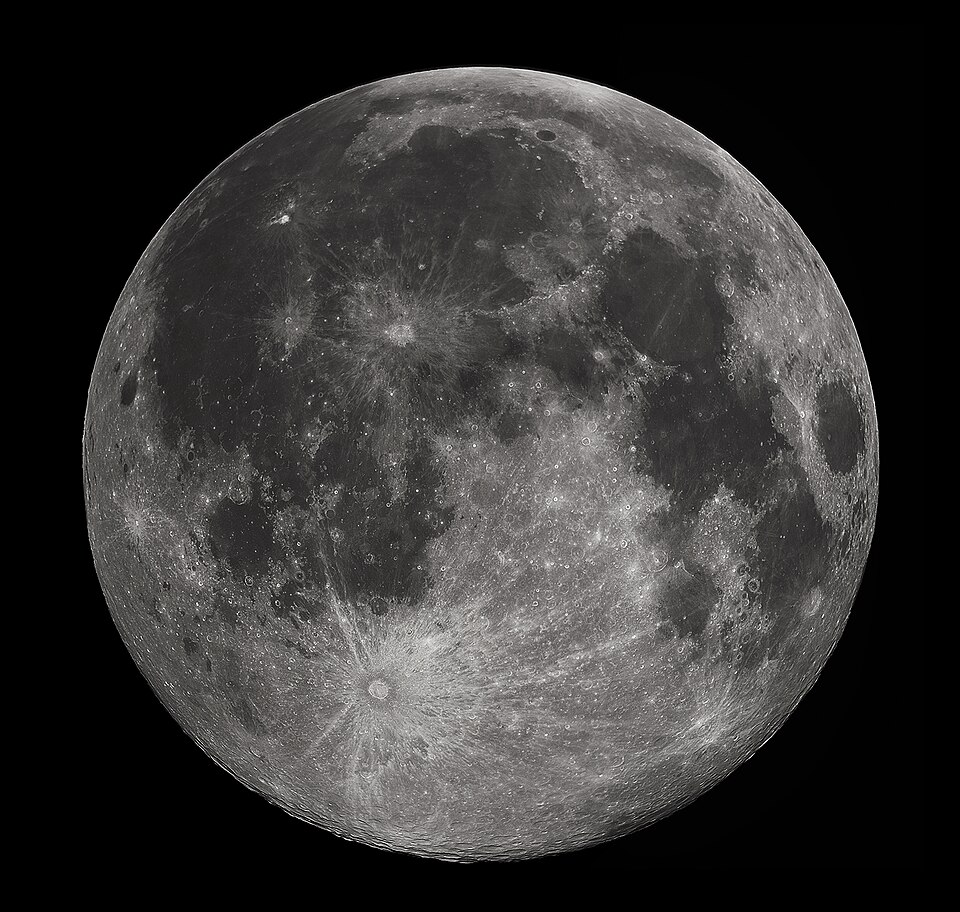
It has been more than 50 years after humans last walked on the moon, which is why countries around the world are preparing for a new era of lunar exploration.
The moon may look peaceful and unchanged in the night sky, but a lot is happening behind the scenes. Scientists, engineers and astronauts are developing new rockets, spacecrafts and lunar landers that could soon carry people back to the lunar surface.
This time however, the goal is not simply to visit the moon. Scientists and space agencies want to learn more about our closest neighbor in space and explore whether humans could one day spend much longer periods there.
Canada Reaches For The Moon
Canada is already a part of this new chapter in space exploration.
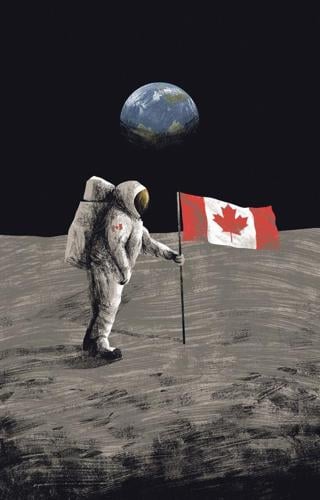
In April 2026, Canadian Space Agency astronaut Jeremy Hansen became the first Canadian to travel around the Moon. He was one of the four astronauts aboard NASA’s Artemis ll mission, which launched on April 1 and returned to Earth on April 10 after travelling around the Moon.
The astronauts didn’t land on the Moon. Instead, they tested the Orion spacecraft and other systems that will be needed for future missions.
The mission was historic because it was the first time humans had travelled around the Moon since the Apollo missions more than 50 years ago.
But Canada’s role doesn’t end with Jeremy Hansen.
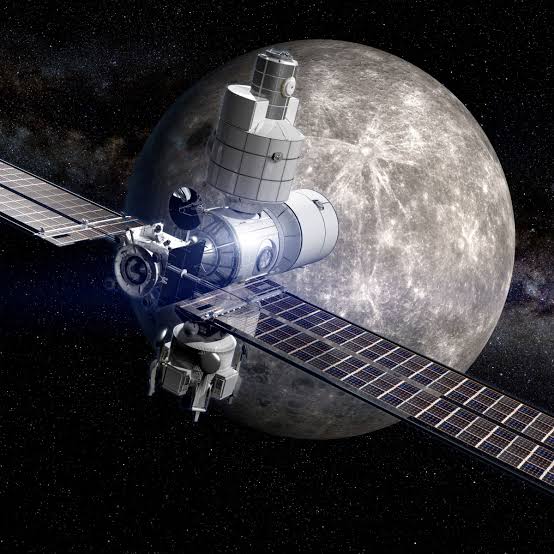
Canada is also developing Canadarm3, a robotic arm that will operate on the Gateway, a planned space station that will orbit the moon. Canadarm3 will help inspect, maintain and move equipment around the station.
The robotic arms Canada has built for space have already become famous. Canadarm3 is designed to take that technology even farther.
NASA’s Next Steps
NASA’s Artemis program is designed to gradually return humans to the Moon.
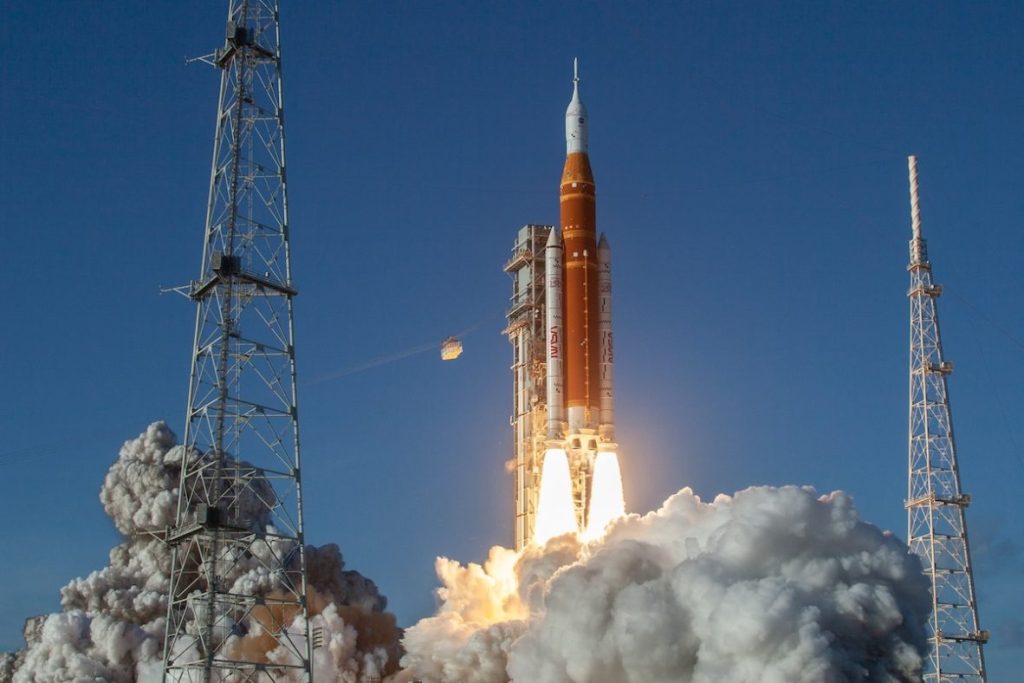
The first mission, Artemis l, launched in 2022 without astronauts. It tested the powerful Space Launch System rocket and Orion Spacecraft.
Artemis ll followed in 2026 with four astronauts including Jeremy Hansen, flying around the Moon.
The next mission, Artemis lll, is now planned for 2027. Originally, NASA expected Artemis lll to land on the astronauts on the Moon. NASA has since changed the mission plan. Instead, astronauts will test important systems in Earth’s orbit, including how the Orion spacecraft connects with commercial lunar landers.
NASA currently plans for Artemis lV, targeted for early 2028, to carry astronauts back to the lunar surface.
Two astronauts are expected to travel down to the Moon while their crewmates remain in lunar orbit. They could spend about a week carrying out scientific work near the Moon’s South Pole.
Why the Moon’s South Pole?
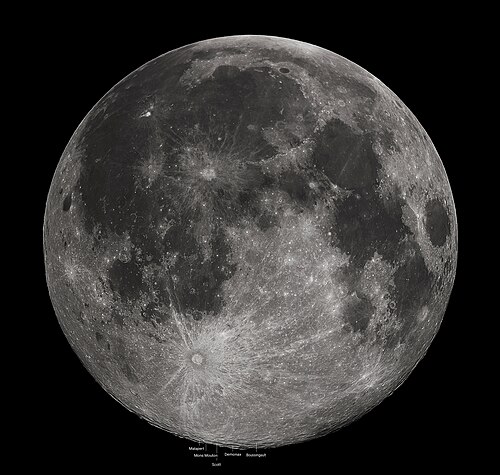
Scientists are especially interested in the Moon’s South Pole because some permanently shadowed areas may contain water ice.
Why is water so important?
Water could be used by future astronauts for drinking. Scientists could also potentially water into hydrogen and oxygen. Those materials could one day help produce air for astronauts and fuel for spacecraft.
That doesn’t mean astronauts are currently making rocket fuel on the Moon. Scientists are studying whether these resources could be used during future missions.
The Moon could also help scientists learn more about the history of our solar system.
The Moon Race Goes Global
NASA isn’t the only space agency looking toward the Moon.
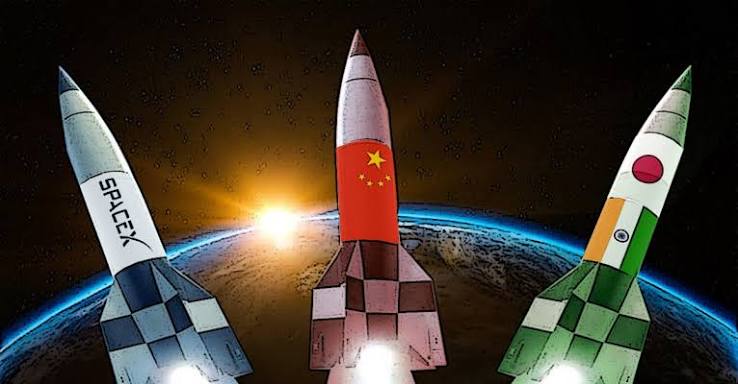
China has its own ambitious lunar program and is targeting a crewed Moon landing by 2030. China has already sent robotic spacecraft to the Moon and is studying areas near the lunar South Pole.
Other countries are involved in lunar exploration too. Japan, India and European countries are working on missions, scientific research and technology that could contribute to future exploration.
Private companies are also becoming an important part of the story.
NASA is working with companies including SpaceX and Blue Origin, which are developing lunar landers that could eventually transport astronauts between lunar orbit and the Moon’s surface.
That is why people sometimes call today’s lunar exploration a “race.” Countries and companies are competing to develop new technology and achieve major scientific goals.
But it isn’t only a competition.
Many countries are also working together. Canada, for example, is a partner in NASA’s Artemis program and is contributing technology to the Gateway lunar station.
What happens after the first landing?
Returning humans to the Moon is only the beginning.
Scientists and space agencies are thinking about longer missions, more scientific experiments and eventually creating a more permanent human presence near the Moon.
The Moon could also become a place where astronauts learn how to live and work far from Earth before . attempting even more difficult missions.
One of the biggest goals is Mars.
Mars is much farther away than the Moon, and a trip there could take many months. Astronauts would face challenges such as radiation, isolation, limited supplies and communicating with Earth from a great distance.
The Moon is much closer, making it a useful place to test technology and learn how humans can survive in space for longer periods.
For now, the race is just beginning.
The next person to walk on the Moon can come from any country, what is certain is that after more than half a century, humans are once again looking toward the Moon as not just a place to visit, but as a place to explore, study, and possibly build a new chapter of human history.